Este artigo foi escrito originalmente em inglês.
 Ler em Português
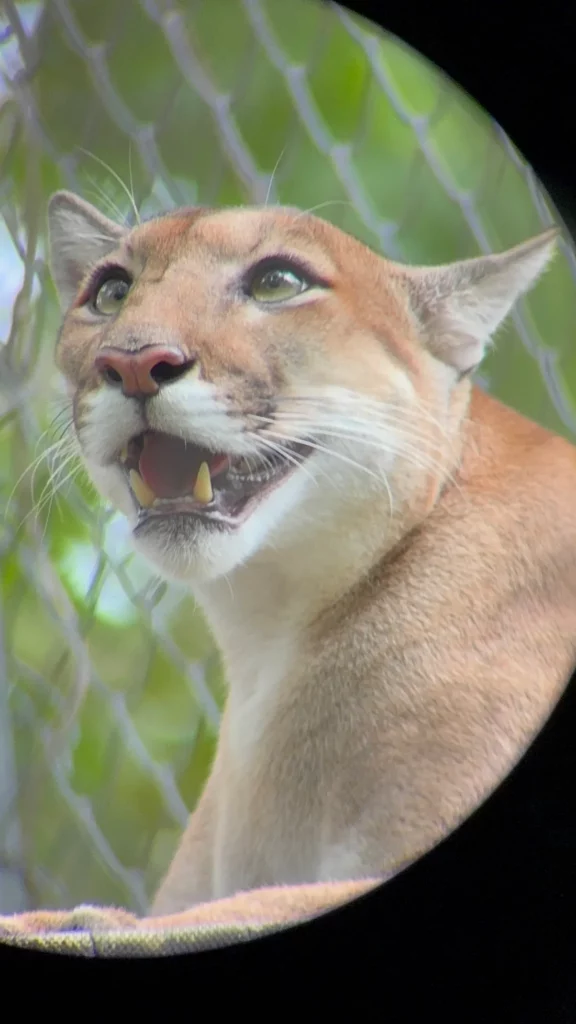
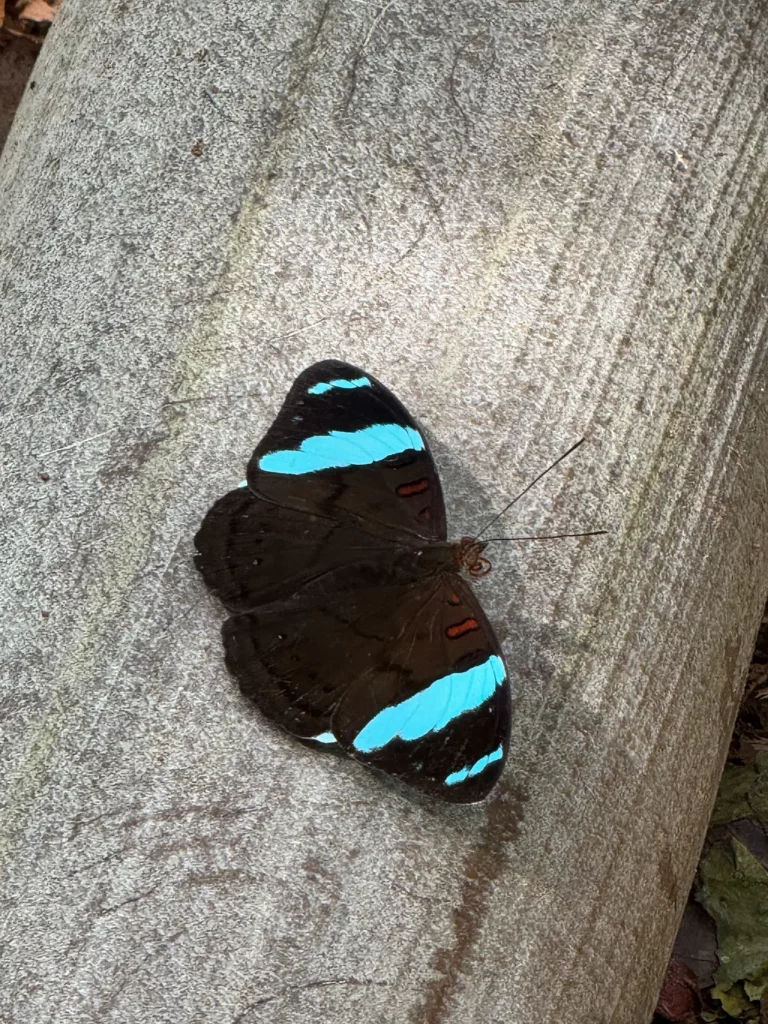
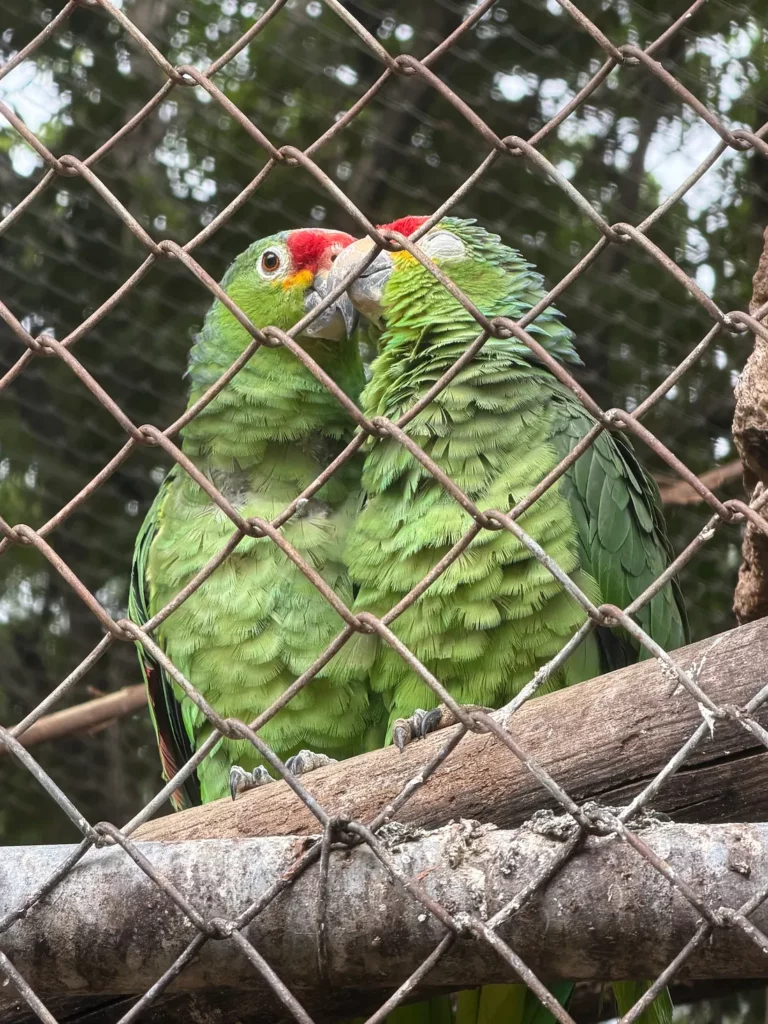
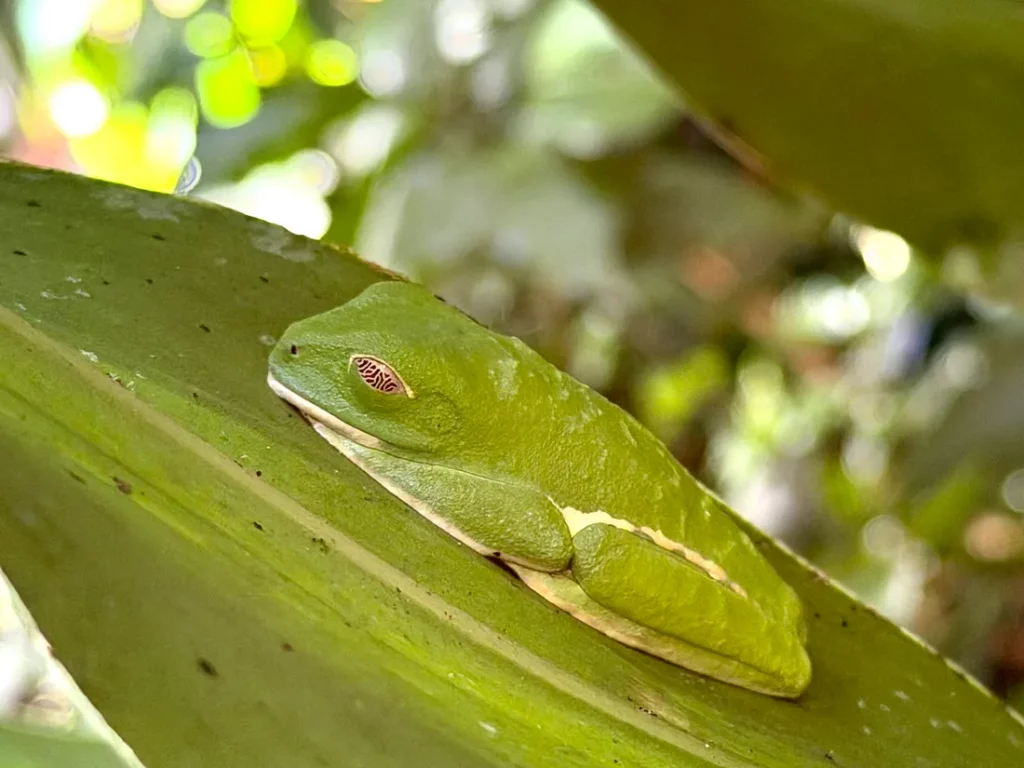
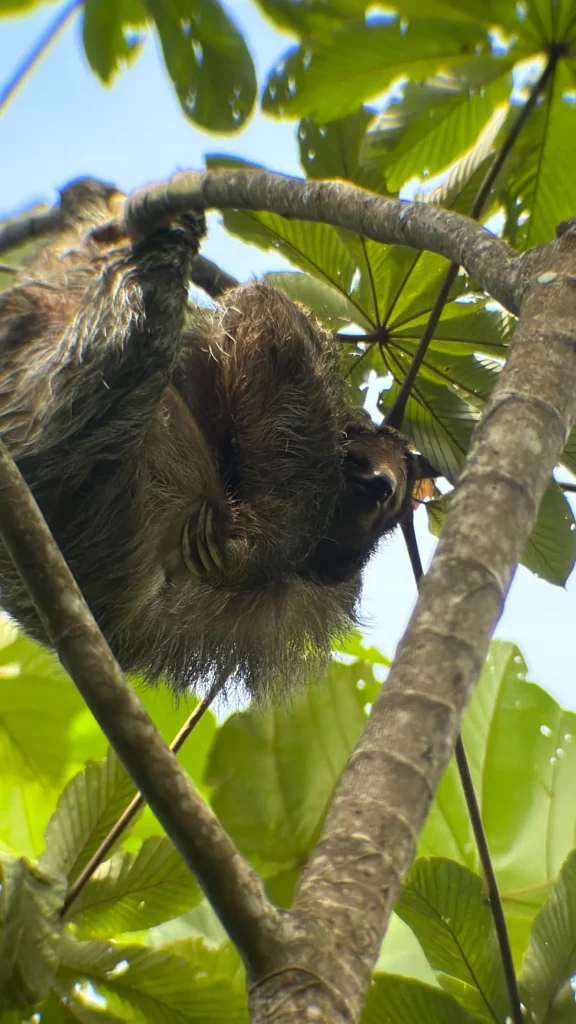
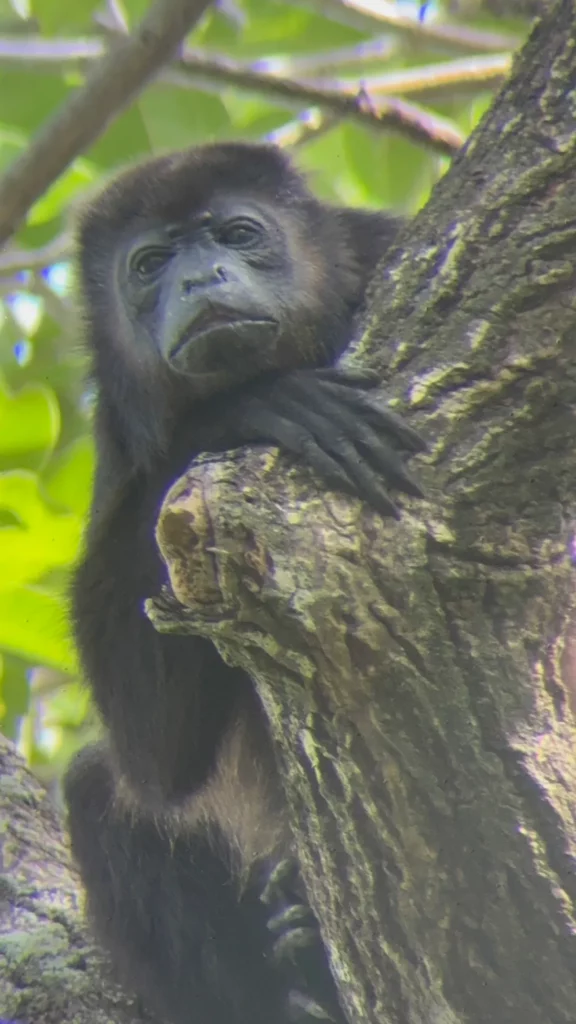
Today I visited a magnificent rainforest in Costa Rica, where I saw butterflies, macaws, tadpoles, red eyed tree frogs, coatis, snapping turtles, bats, toucans, Capuchin and howler monkeys, sloths, parrots, jaguars, boars and pumas. The diversity of wildlife is astonishing on a single habitable planet out of billions of habitable exoplanets in the Milky Way galaxy. It therefore makes little sense for humans to presume that they occupy a supreme status in the cosmos.
We hear this cosmic message loud and clear. Data collected over the past century clearly shows that we are not located at the physical center of the Universe. Future data will most likely reveal that we are not at the intellectual center of the Universe. The time is therefore ripe for a renewed sentiment of cosmic modesty.
The illusion that humans are at the top of the food chain is soon to be challenged by superhuman intelligence in the form of artificial intelligence (AI) on Earth or alien intelligence from an exoplanet. But our priorities are not properly balanced. While nearly a trillion dollars were invested over the past year in AI trained by terrestrial data centers, the search for alien technology trained by extraterrestrial data centers received a million times less funding.
Nevertheless, if indisputable evidence for alien technology will be eventually discovered, the top priority might change. Alien technologies hold the potential for greater financial benefits than AI. The search for them represents a ‘high-risk, high-reward’ opportunity for venture capital investors. Visionary risk takers would be wise to invest in the scientific study of Unidentified Anomalous Phenomena (UAP). Similarly, curious scientists should not be deterred by prejudice and engage in UAP research. In assembling the UAP Science Advisory Council (https://uapsac.com/) recently, I brought together 20 such scientists. Here’s hoping that the council will uncover new evidence for alien technology.
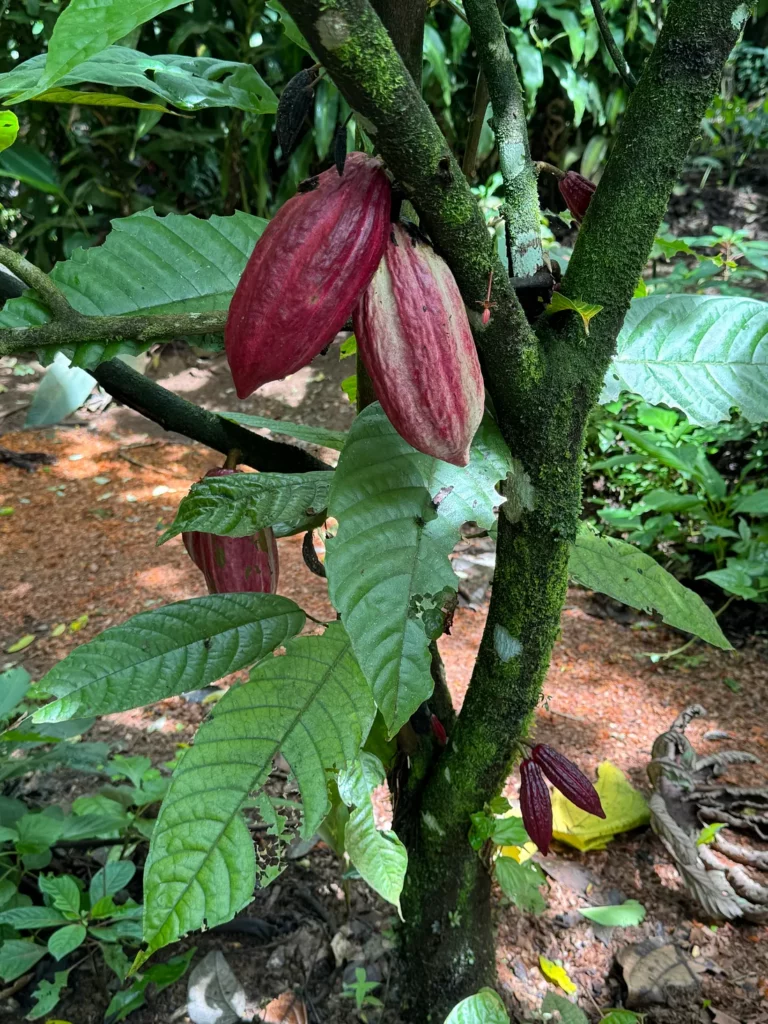
The intellectual treat from my daily discussions with members of this exceptional council was temporarily topped today. After my trip to the rainforest in Costa Rica, we stopped at a cocoa plantation where I had the opportunity to witness all of the stages leading to the production of my favorite 100%-pure dark chocolate bars. Here is a personal confession: over the past decade, half of my daily calories were derived from chocolate. But today was special, as this fraction rose to 75% in the cocoa plantation where I chewed cocoa fruit, beans, drinks and melted chocolate paste. As far as I am concerned, being close to the top of the food chain carries the privilege of consuming chocolate as a primary food source. Here’s hoping that this factoid is not limited to Costa Rica but is a universal truth through all habitable exoplanets in the Milky Way.
After the trip, I answered the following set of questions from a science journalist for a children magazine in South Korea:
1. If an anomalous phenomenon was confirmed and could not be readily explained, what would you want to observe or measure first?
My wish is to have a high-resolution image of the anomalous object or a sample of its material. In the absence of that, I would like to know its velocity and acceleration.
2. As I understand it, identifying something as a UAP does not in itself imply an extraterrestrial origin. From a scientific perspective, why is observing an unexplained phenomenon fundamentally different from concluding that it represents technology created by extraterrestrial intelligence?
Unidentified Anomalous Phenomena (UAP) are a mixed bag. Most of them are natural (such as atmospheric phenomena, meteors or cosmic rays) or human-made (drones, balloons, aircraft or satellites) but the fundamental question of great interest to science is whether any of them are technological artifacts from extraterrestrial civilizations — namely outliers relative to the performance envelope of human-made technologies. To separate the wheat from the chaff, we need better data than was publicly disclosed so far.
3. If humanity were one day to discover compelling evidence of technology created by extraterrestrial intelligence, what do you think would happen within astronomy and the broader scientific community?
As soon as a shred of such evidence exists beyond any reasonable doubt, the related study will become the hottest research topic in physics and astronomy. The more we learn, the more questions we will have about the associated object and its manufacturers or operators. This would constitute the most consequential discovery ever made in the history of humanity because it will have a profound impact on our future.
4. Through the Galileo Project, are there any additional types of data you particularly hope to collect, or any new observational instruments or systems you would like to develop in the future?
The three Galileo Project observatories are currently collecting data on numerous objects in the sky and using AI to search for anomalies that may flag extraterrestrial technologies. In parallel, I hope to lead expeditions to the crash sites of interstellar meteors in search for a Voyager-like meteor sent to interstellar space by another civilization.
5. Finally, what attitude would you encourage children to have when they encounter reports about UAPs? Rather than automatically believing something simply because it remains unexplained — or dismissing it simply because it sounds extraordinary — what questions should they ask, and what kinds of evidence should they look for?
Kids are naturally curious. When they mature to become adults, they become afraid of exposing their ignorance and asking simple questions about things they don’t know. One of these questions is: “Are we alone?” We live at a unique time when the mainstream of academia sidelines the possibility that we are not at the top of the cosmological food chain while the U.S. government- which is supposed to be focused on down-to-Earth matters such as national security, is showing an open mind in reference to objects in the sky that they cannot explain. Children, as a role model for all of us, should be guided by evidence and ignore the superficial opinions of either skeptics or believers.