Este artigo foi escrito originalmente em inglês.
 Ler em Português
Rabbi Menachem Mendel Schneerson is widely regarded as one of the most influential Jewish leaders of the 20th century, having transformed a small, Holocaust-depleted sect into a global powerhouse of Jewish outreach of the Chabad-Lubavitch Hasidic movement. Throughout his leadership from Brooklyn, New York City, the Rebbe spoke intensely about the imminent arrival of the messianic era, urging his followers to prepare for it through acts of goodness and Jewish observance. During the latter decades of his life, a fervent belief arose among many of his followers that he was in fact the Jewish Messiah. Since the Messiah is believed to reconstruct the Holy Temple in Jerusalem and live in Israel, his followers built in 1986 a house for him in Kfar Chabad Israel which is an exact replica of his apartment at 770 Eastern Parkway in Crown Heights, Brooklyn. The Israeli replica was constructed to precisely mirror the layout of the original, including a highly detailed reproduction of the Rebbe’s private office, complete with identical furniture, bookcases, and religious texts.
When Rabbi Schneerson passed away on June 12, 1994, at the age of 92, without appearing as the Messiah, the event created a massive theological crisis for the Chabad-Lubavitch movement, as traditional Jewish theology does not typically accommodate a Messiah who dies before completing the redemption. The movement ultimately fractured into two main ideological factions regarding his identity:
(i) The Messianists faction maintains that the Rebbe is still the Messiah. Some believe he did not actually die in a spiritual sense or that his death was an illusion, while others believe he passed away but will soon be resurrected to complete his messianic mission.
(ii) The Anti-Messianists including the mainstream and official leadership of Chabad-Lubavitch disavow public messianic declarations. They believe he could have been the Messiah had God willed it, but they accept his physical passing.
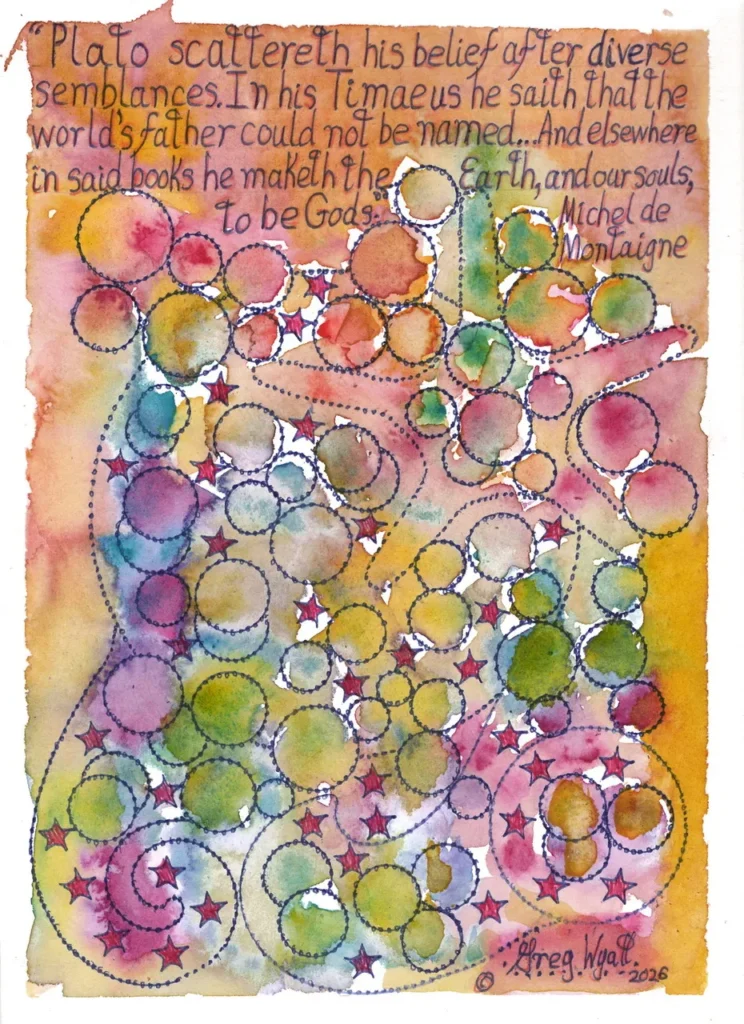
Supersymmetry (or SUSY) is a proposed symmetry in physics that suggests every particle in the universe has a hidden “superpartner” with different spin properties. The symmetry pairs up two major families of particles: fermions (matter particles like quarks and electrons) and bosons (force-carrying particles like photons). Over the past four decades, the lightest supersymmetric particle has been widely regarded as an ideal candidate for dark matter. Supersymmetry became also a fundamental backbone of modern string theory.

The Large Hadron Collider (LHC) at CERN was widely anticipated to discover experimental evidence of Supersymmetry in its natural parameter space. Despite more than a decade of high-energy proton collisions, data from the ATLAS and CMS detector have completely emptied the expected discovery zones for the heavier “superpartner” particles (sparticles) predicted by the theory.
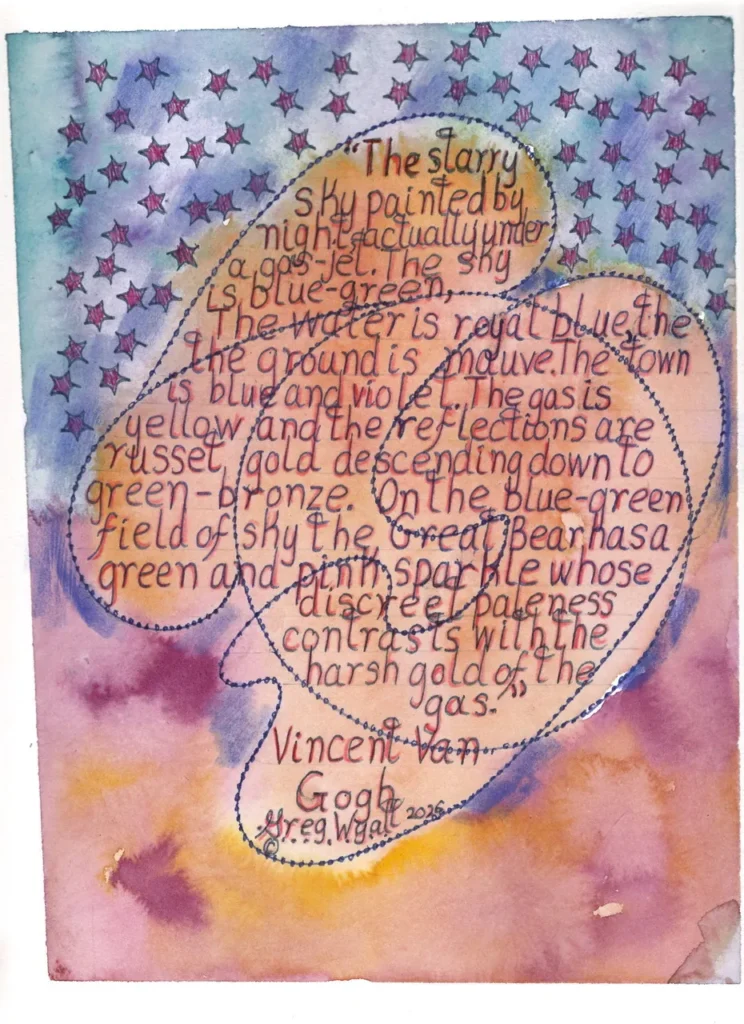
The absence of evidence has forced a massive shift in theoretical physics. The original, most elegant versions of the theory were ruled out. The cultural and scientific grip of the theory has weakened to the point where primary research teams at CERN have begun dismantling dedicated supersymmetry working groups, shifting focus toward broader data-driven anomalies. The physics community split into two parts:
(i) Some theorists, including those advocating for string theory, have adjusted the parameters to keep the concept alive by proposing alternative frameworks. These include more complex models, like the phenomenological MSSM (pMSSM) or Split SUSY, allow for scenarios where superpartners are lighter but hidden because their decay signatures mimic background noise. Others moved the goalposts by arguing that superpartners exist at much higher mass scales than previously hoped.
(ii) As the High-Luminosity LHC and future runs collect more data, the mainstream of the physics community has largely entered a “bottom-up” era, looking at real data glitches and anomalies rather than trying to force the universe to fit a beautiful top-down theory of supersymmetry.
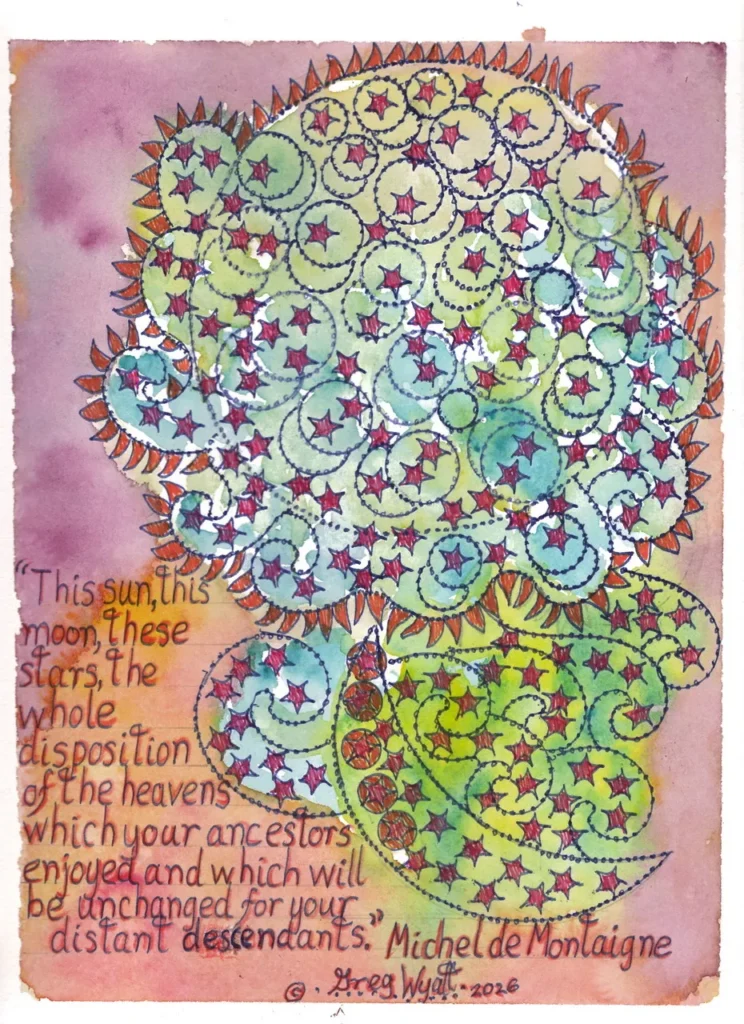
Science is done by scientists and it often includes believers in theoretical ideas that are as appealing as the religious belief that Rabbi Menachem Mendel Schneerson is the Jewish Messiah.
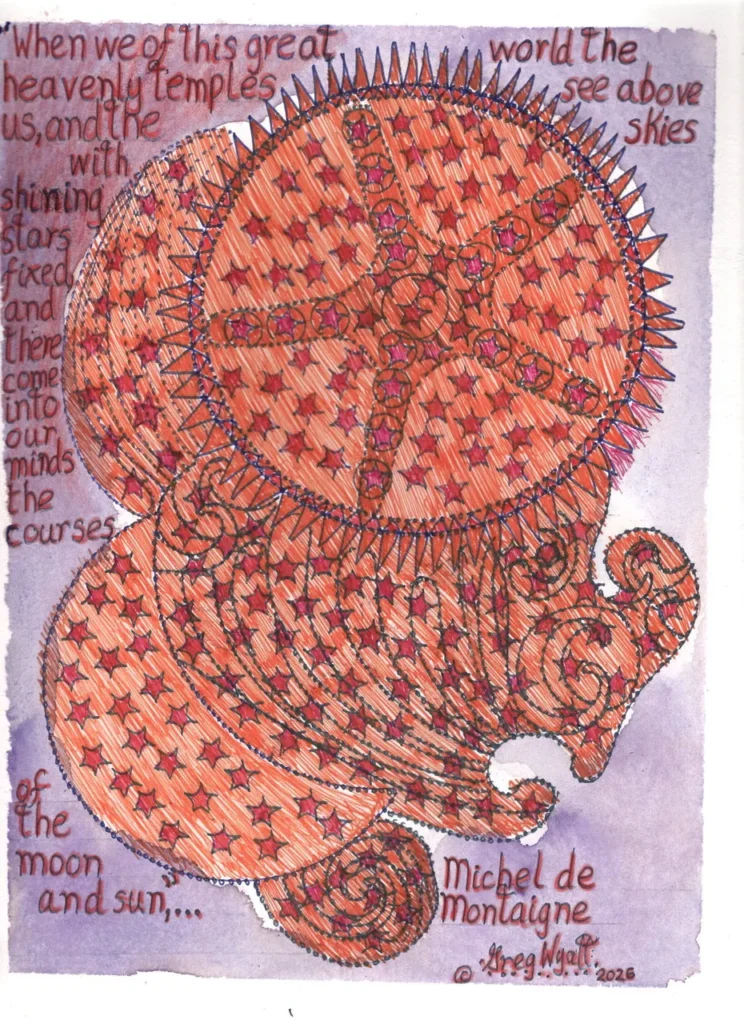
But there is more to this similarity between science and religion.
Our understanding of the Universe allows it to be unlimited in space. Nevertheless, our understanding is bounded as we go back in time. Albert Einstein’s equations of General Relativity break down at the Big Bang singularity and leave the question of what happened before that time open. Whereas mainstream scientists believe that a predictive (but so far elusive) theory of quantum gravity will inform us of what happened before the Big Bang, religious people believe in a creator.
Science and religion can genuinely collide when they make claims about the same observable territory. Examples include the age of the Universe and Earth or the mechanism behind biological diversity. However, they do not collide in metaphysical questions, such as whether there is a God, what happens after death, what gives life a meaning. Most people, including practicing scientists, do not experience these domains as being in conflict day to day. They just treat them as different categories of questions.
The line between religious belief and scientific reasoning might be blurred more dramatically if humanity ever encounters an alien technology far more advanced than it knows, appearing as a magical biblical miracle. Would a visitor with a much higher intelligence than ours appear to some of us as a Messiah or a God?
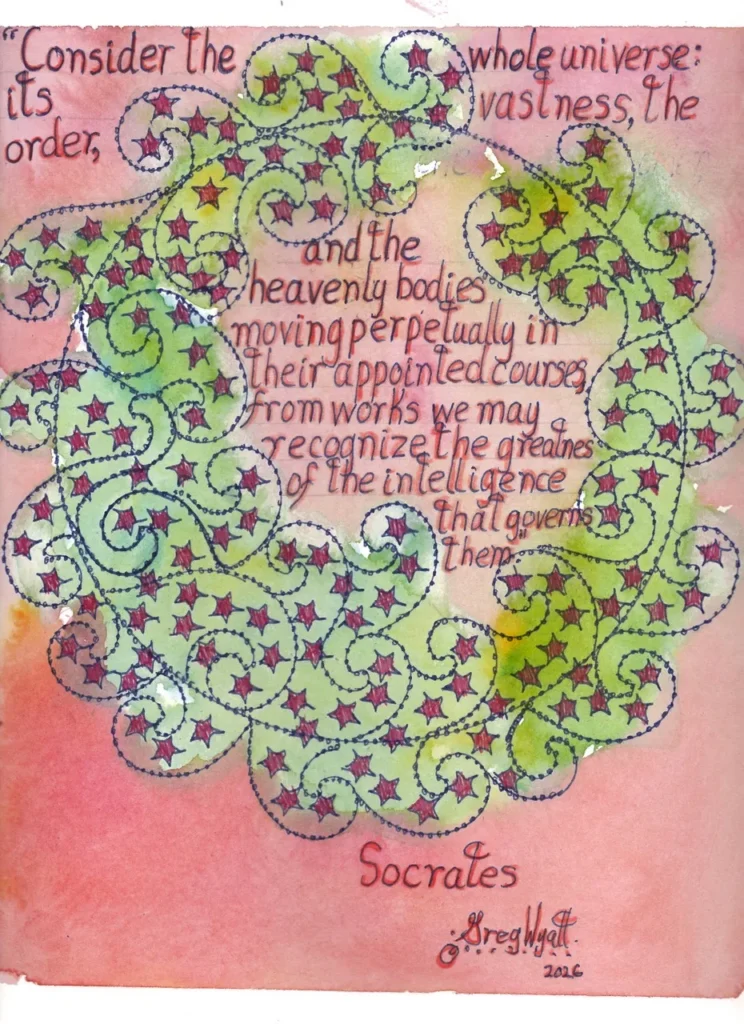
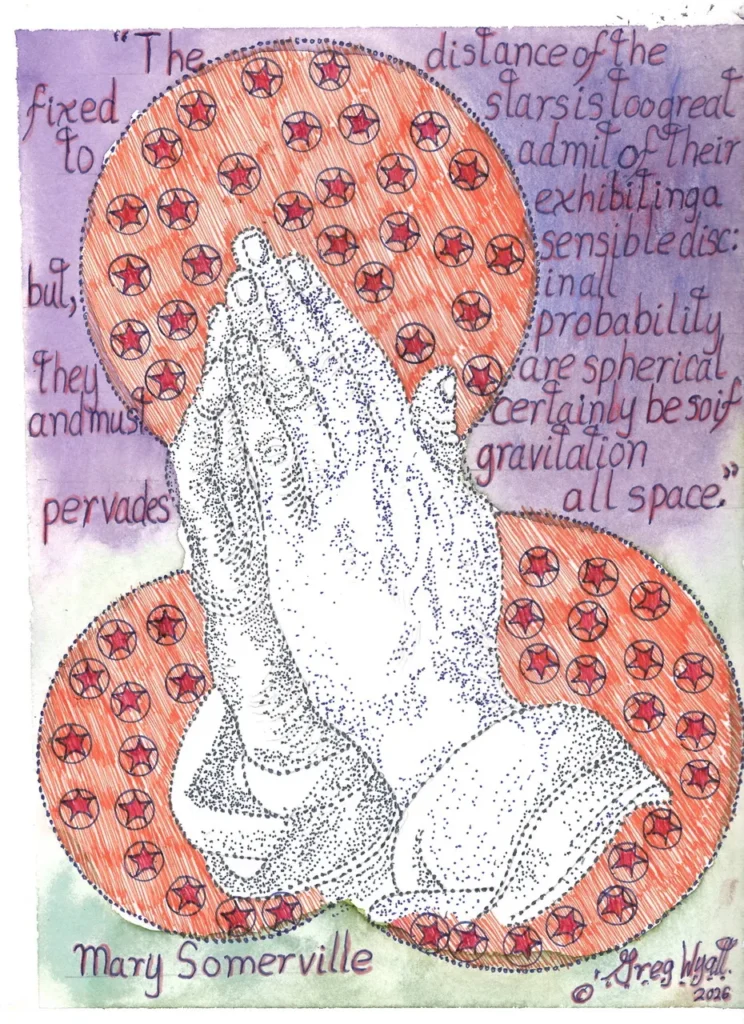
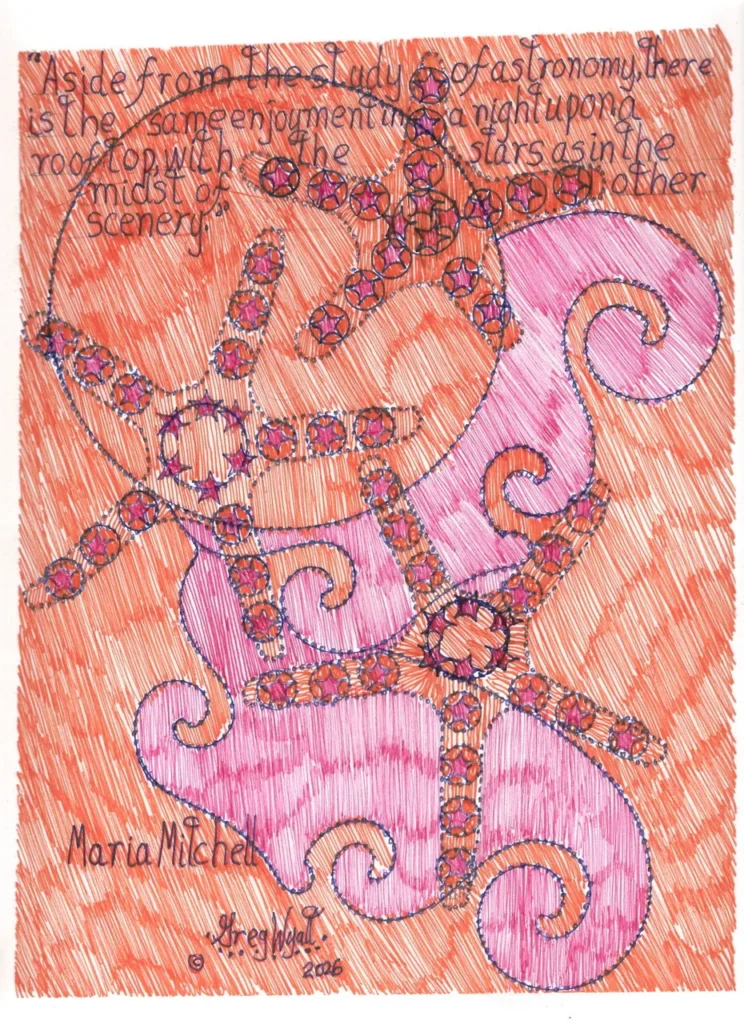
In this essay, I featured eight amazingly beautiful watercolors from a series created and sent to me by the celebrated artist, Greg Wyatt.
Authorized publication by Dr.Avi Loeb